
Today's expected range for the Canadian Dollar against the major currencies:
US Dollar 1.3910-1.4160
Euro 1.6000 -1.6250
Sterling 1.8720-1.8970
WTI Oil (opening level) $85.39
The CAD/USD is opening at 1.4038 ( 0.7123 )
The USD/CAD pair seesaws between small gains and minor losses. The USD regains some positive traction as inflation risks stemming from volatile energy prices keep inflation risks and the US Federal Reserve rate hike bets in play.
USD/CAD might move down to the 38.2% Fibo. retracement around 1.3979, which is followed by deeper retracement levels at 1.3897 and 1.3814, where the 50.0% and 61.8% Fibo levels could slow further losses.
On the topside, any recovery would first need to overcome resistance at the 23.6% retracement near 1.4082, with the 200-period SMA at 1.4130 capping the broader upside. Failure to clear that hurdle will reinforce the prevailing bearish structure while the USD/CAD pair remains below it.
Headlines
· Trump announced a deal for the full disarmament of Hamas and other armed groups in Gaza, with the territory to be placed under a new Palestinian government, a potential breakthrough after years of conflict.
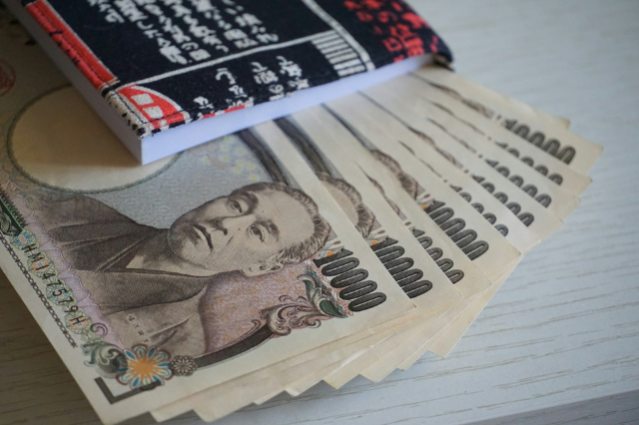
· Tokyo is suspected of having intervened again to support the yen ahead of today's BOJ decision, after reports of official FX action and a US rate check on dollar-yen quotes; Finance Minister Katayama has signalled readiness to act further, with the yen recently near a 40-year low on high energy costs, fiscal concerns and wide rate differentials. The BOJ held its policy rate at 1.00% with one dissenter favouring a hike to 1.25%. The new policy statement indicated a more confident tone on the Japanese economy, noted concerns of upside risks for inflation and pledged to continue raising borrowing costs.
· Japan's retail sales rose just 0.5% y/y in June, down sharply from May's revised 5.0% and the weakest since February, while month-on-month sales fell 4.1%, the first decline in four months.
· Tokyo core CPI rose 1.9% y/y in July, up from 1.6% and the fastest since January, with the BOJ's preferred core measure (ex fresh food and energy) climbing to 2.0%, its highest in four months and reinforcing the case for June's 25bp hike.
· Real US personal spending rose 0.4% m/m in June, matching May, with goods outlays up 0.7% on autos and energy and services up 0.3%.
· US initial jobless claims rose to 197,000 in the week to 25 July, still below the 200,000 forecast, while continuing claims fell to 1.782 million, the lowest in over a month.
· US core PCE rose just 0.1% m/m in June, below the 0.2% forecast, with the year-on-year rate holding at 3.3%; Q2 GDP growth slowed to a 1.5% annualised pace from 2.1%, as business investment cooled and structures contracted, though consumer spending accelerated to 3.2%.
· The Bank of England held its rate at 3.75% on a tighter 6-3 vote than the 7-2 split expected, warning that higher energy prices could push inflation up later this year.
Key Points
· Macro: Trump's Gaza deal and a suspected BOJ intervention frame a busy end to the week.
· Equities: Global equities rebounded sharply as blockbuster technology earnings reignited the artificial intelligence trade, with Asia extending the rally.
· Volatility: Vol unwound sharply as chip-led risk appetite returned; BOJ decision the next test.
· Digital Assets: Miners rallied hard on the broader recovery while spot majors traded little changed overnight.
· Commodities: Crude oil prices consolidate lower ahead of weekend, gold remains rangebound.
· Fixed Income: US treasury yields dropped slightly all along the curve
· Currencies: The dollar consolidated some of Thursday’s steep losses as the yen gave back intervention-driven gains.